
Five GSCES’s a grade 9 – 4, including a grade 4 or above in English Language. BTEC Level 2 qualification considered in subject related courses. No prior study in this area is required.
The media is the most dynamic, innovative and influential method of mass communication of modern times. It has been reported that adults in Great Britain are consuming media for almost 8 hours a day. That’s 8 hours a day watching films and television, reading newspapers, and sifting through online media. Within that time, we are bombarded by other people’s representations of the world and how we respond to these representations can affect our perceptions of people, places and society, of politics and culture, of ourselves and of our place in the world. Media Studies is a vital tool necessary to understanding the media’s significance and its power.
You should choose A-Level Media if you’re interested in how media shapes the world around you. It’s exciting because you’ll explore everything from social media influencers to films, music videos, and news, analysing how meaning is created and how audiences respond. Students often enjoy creating their own media products, where they can be creative and apply theory in a practical way. What makes our course stand out is the strong balance between theory and production, alongside support in applying key media theories to real, contemporary texts helping you develop both analytical and creative skills for future study or careers.
Five GSCES’s a grade 9 – 4, including a grade 4 or above in English Language. BTEC Level 2 qualification considered in subject related courses. No prior study in this area is required.
As a Media Studies student, you will analyse how media products use language and representations to create meaning. You will learn about the media industry and how the industry affects how media products are made. You will investigate media audiences, exploring who are the people who watch, read and consume the products and considering how different people might respond to products differently, and why. You will study many different media forms, such as: Television, Online Media, Film Marketing, Magazines, Newspapers, Radio, Video Games, Music Video and Advertising.
Component 1 – Media Products, Industries and Audiences
Component 2 – Media Forms and Products in Depth
Component 3 – Cross-Media Production
There is a huge array of career opportunities in the media, which is an industry that is growing at an exponential rate. If you are looking for a job in this area, studying Media at A-Level and at degree level is a route into careers such as TV and film production, advertising, journalism, interactive media, and digital marketing. It could help to provide you with the foundation to secure roles in technical production, special effects, web design and post-production.
We have run a variety of residential trips and tend to do so every academic year destinations have included Berlin, Disneyland Paris and New York. A number of smaller trips are also organised – these tend to differ year on year.
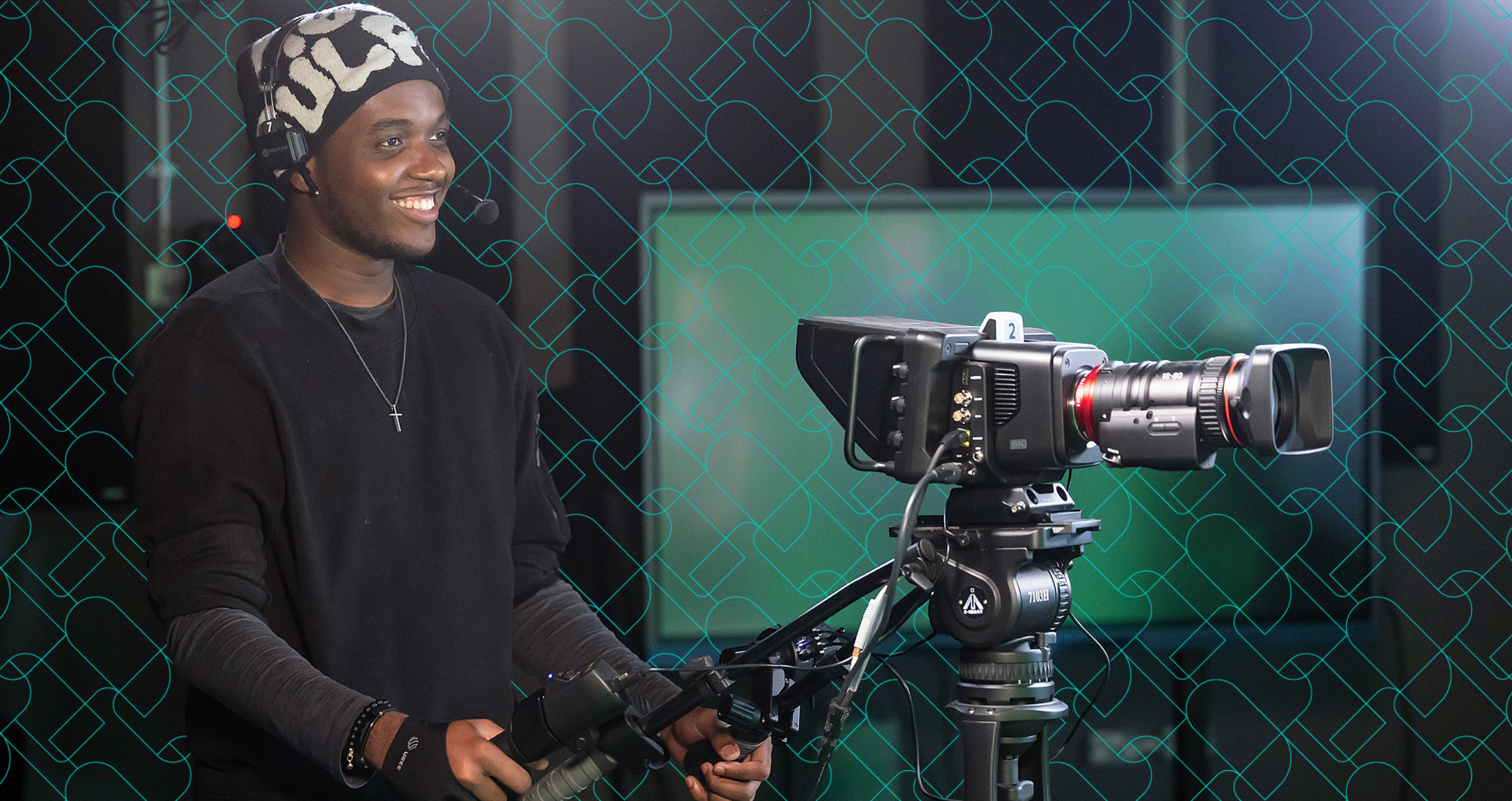
Students have access to specialist facilities and equipment that support both creative and analytical work, including industry-standard software for editing, design, and production. This allows them to develop professional-quality media products and gain hands-on experience using tools commonly used in the media industry.